WVU Nutrition experts say there’s a healthier way to eat your feelings
Throughout National Nutrition Month in March, West Virginia University experts emphasize making deliberate choices to avoid foods that cause inflammation and to choose foods that support the function of neurotransmitters like serotonin and dopamine, which promote feelings of calmness and happiness.
Kerry Gabbert, assistant professor, Family Nutrition Program, WVU Extension, and Gina Wood, WVU Extension specialist and Expanded Food and Nutrition Education Program coordinator, are available to identify mood-boosting foods and to suggest strategies for eating mindfully.
Quotes:
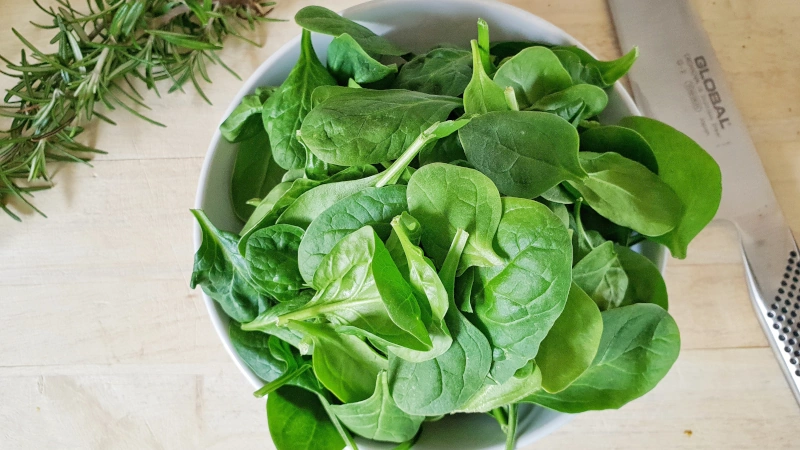
“Omega-3 fatty acids are associated with reduced anxiety and depression. Seafood is a good source of omega-3s if you choose oily fish that live in cold water — think salmon, tuna, herring, mackerel, sardines, anchovies and trout. Vegetables like soybeans, Brussels sprouts and spinach contain high levels of omega-3s, and so do walnuts, chia seeds, flaxseed and hempseed.
“Foods high in folate cross the blood-brain barrier and help synthesize neurotransmitters like serotonin, dopamine and norepinephrine, which regulate mood. To boost your folate intake, eat beef liver, black-eyed peas, kidney beans and vegetables like spinach, asparagus, Brussels sprouts, mustard greens, broccoli, romaine lettuce, avocados and green peas.
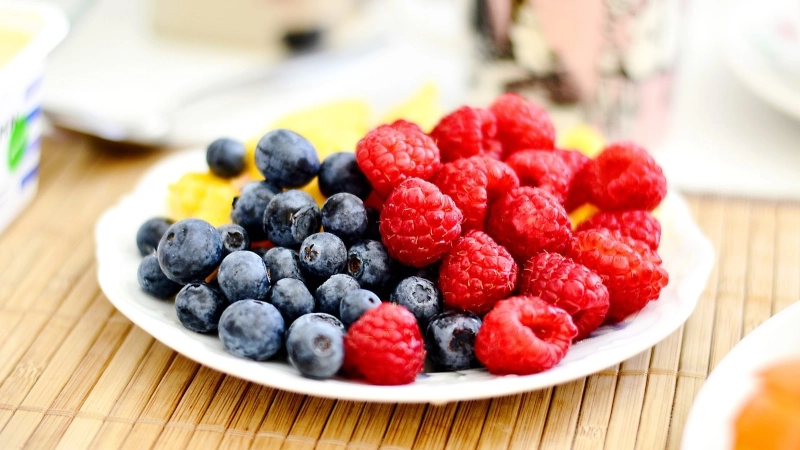
“There are many other feel-good foods out there. Berries and other foods high in antioxidants can improve cognitive function and mood. Fermented foods like sauerkraut and yogurt can support a healthy gut-brain axis and reduce systemic inflammation. Green tea and dark chocolate that’s at least 70% cacao are rich in polyphenols for protection against cognitive decline.
“Cutting back on foods that cause inflammation, like processed foods and refined carbohydrates, can be just as important for our health as eating more healthy foods. Foods and drinks contributing to inflammation include sodas, sweet tea, sports and energy drinks, crackers, chips, white bread, white rice, white pasta, instant noodles, breakfast bars, candy, cookies, pastries, cakes and other sweets.” — Gina Wood, Extension specialist and Expanded Food and Nutrition Education Program coordinator, WVU Extension
“To maintain a steady emotional state and sustain our energy, we have to choose balanced meals that combine protein, healthy fats and complex carbs for long-lasting energy. We need to stay hydrated, drinking six to eight glasses of water daily. And we want to focus on fiber-rich foods like beans and vegetables.
“‘Mindful eating’ means paying attention to the tastes, smells, textures and emotions we feel when we eat. Mindful eating exercises have been used in cardiac rehabilitation, treatment of eating disorders, stress management programs and weight management programs. Mindful eating promotes appreciation of food and awareness of feeling full. Some simple mindful eating tips you can incorporate into daily meals to promote healthy eating include:
- Gratitude pause — Before eating, sit quietly and feel gratitude for the food you are about to eat. Some people prefer to pray or silently acknowledge the effort that went into growing and preparing the food.
- Take your time — Focus on slower eating and chewing your food. Slower eating and more chewing can help digestion and helps you be more aware of feeling full, limiting overeating.
- Remove distractions — To limit mindless eating and eating past fullness, have your meal at the table, not in front of the computer or television. Turn off electronic devices. If you’re eating with friends or family, use mealtime to connect socially.
- Engage your senses — As you eat, notice the color, texture, smell and taste of the food. Observe how your body reacts to the first few bites. This can be a fun exercise to try with kids, using a single raisin or a piece of fruit.
“Mindful eating exercises can be done alone or with friends and family. The exercises provide an opportunity to reconnect with food and appreciate the nourishment of your body.” — Kerry Gabbert, assistant professor, Family Nutrition Program, WVU Extension
The post WVU nutrition experts say there’s a healthier way to eat your feelings first appeared in WVUToday, courtesy of the WVU Office of Strategic Communications.