
Yellow Food Coloring Changes Gut Microbiome in Early Life
More study needed on long-term effects of food additives on children’s health
From the American Physiological Society (APS)
A food coloring widely used in the U.S. and worldwide has been found to alter the balance of bacteria living in the gut and may cause low levels of inflammation. Researchers will present these findings at the 2026 American Physiology Summit in Minneapolis. The Summit is the flagship annual meeting of the American Physiological Society (APS).
Colorful cereal and candy often signal the use of artificial food dyes, but so do popular salty snacks and condiments found in most pantries and refrigerators.
Tartrazine is a dye commonly used in the food industry to provide a lemon-yellow color. It’s known as “Yellow 5” or “FD&C Yellow No. 5” in the U.S. Many foods and beverages contain tartrazine, including:
- Soft drinks and flavored beverages.
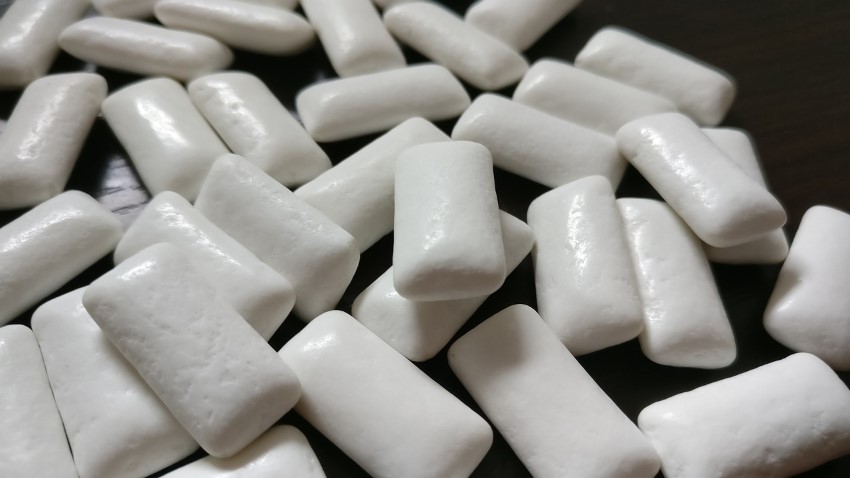
- Snack chips and chewing gum.
- Desserts such as instant pudding, gelatin and baked goods.
- Mustard, pickles and various sauces.
- Flavored dairy products and colored honey.
Health agencies that govern the safety of food and drink consider tartrazine to be safe at “acceptable daily intake” levels. Researchers found that the gut microbiota—the colony of bacteria that lives in the digestive tract—of young rats changed with exposure to acceptable daily intake levels of the food coloring. The males showed increases in bacteria linked to low-grade inflammation and they also did not gain as much weight as was expected. Although the cause is not yet fully known, the imbalance in the microbiome may play a role.
The composition of the females’ gut microbiome changed in response to tartrazine as well: Some bacteria increased while others decreased. Though these changes do not appear harmful, higher microbial diversity—having a wide variety of bacterium types—is generally a sign of a healthy gut. “Any significant shift in the established microbial balance during early life, especially at ‘safe’ intake levels, is a cause for attention,” said Ali Doğan Dursun, MD, PhD, corresponding author of the study.
“Tartrazine can significantly alter the gut microbiota and physical growth patterns even when consumed at doses currently deemed safe by regulatory agencies. Because these effects are sex-dependent and occur during early developmental periods, our research highlights the need to re-evaluate the long-term impact of common food additives on children’s health,” Dursun said.
The post Yellow Food Coloring Changes Gut Microbiome in Early Life first appeared in the American Physiological Society Newsroom.
About American Physiological Society (APS)
Physiology reveals how life works—from cells to body systems—and drives the scientific discoveries that transform health and save lives. It provides the foundation every medical advancement depends on. The American Physiological Society champions physiology—the science life depends on. It connects a global, multidisciplinary community of more than 10,000 biomedical scientists and educators as part of its mission to advance scientific discovery, understand life and improve health. The Society drives collaboration and spotlights scientific discoveries through its 16 scholarly journals and programming that support researchers and educators in their work.