Dr. Marion Nestle, longtime NYU professor of nutrition, food studies, and public health, with additional faculty roles at UC San Francisco and Cornell, is best known for analyzing the intersections of food, politics, and health, often exposing how government policy, corporate lobbying, and food industry marketing shape what we eat.
A rare exception: an industry-funded study with negative results
As I endlessly repeat, industry-funded studies tend to favor the sponsor’s commercial interests. The correlation between industry funding and study outcome is not 100% however. Exceptions do occur.
Here’s one sent to me by a reader, Matthew Kadey: “Marion, a rare industry funded study with results that likely did not please the sponsors.”
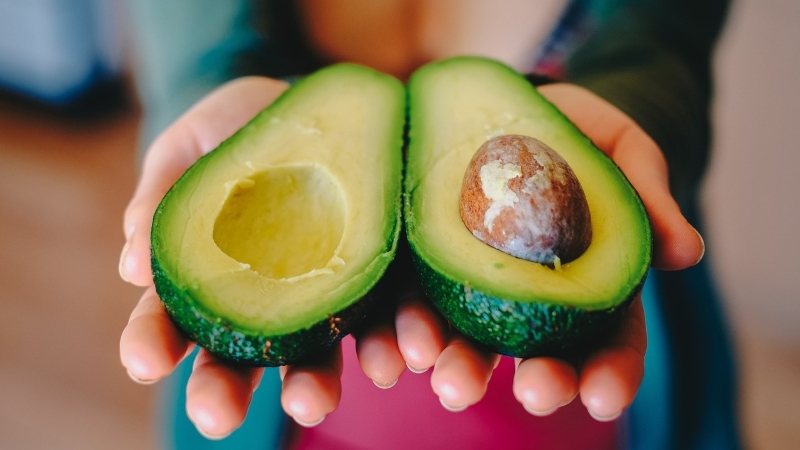
The study: Effects of one avocado a day for six months on cognitive performance in overweight adults: A randomized controlled trial. The Journal of nutrition, health and aging. Volume 30, Issue 6, June 2026, 100847. https://doi.org/10.1016/j.jnha.2026.100847.
Objective: “To determine if consuming one avocado per day for 6 months has cognitive benefits in adults with central obesity, addressing cognitive health early in the aging trajectory.”
Conclusions: “The consumption of one avocado per day without any additional lifestyle modifications for six months did not significantly alter cognitive function in adults with central obesity across all age groups. Additional work is needed to determine whether avocados, as part of dietary strategies initiated in midlife, contribute to healthy cognitive aging, particularly in normal weight and metabolically vulnerable populations.”
Funding disclosure: “This study was funded by the Hass Avocado Board in Mission Viejo, California”
Competing interests: Nine of the eleven authors report financial support from the Hass Avocado Board Avocado Nutrition Center.
Comment: I could not imagine why anyone would do this study in the first place. It is a rare example of one that produced negative result from an industry-funded study, but note the positive spin in the conclusions: “Additional work is needed to determine whether avocados, as part of dietary strategies initiated in midlife, contribute to healthy cognitive aging, particularly in normal weight and metabolically vulnerable populations.”
Really? Why? I can’t think of any reason why more studies like this would be needed, except to get more funding from the Hass Avocado Board, which seems willing to spend lots on research aimed at positioning avocados as superfoods.
Note: All fruits and vegetables have nutritional benefits. By these criteria, all are superfoods.
The post A rare exception: an industry-funded study with negative results appeared first on Food Politics by Marion Nestle.
Marion Nestle is Paulette Goddard Professor of Nutrition, Food Studies, and Public Health, Emerita, at New York University, which she chaired from 1988-2003 and from which she officially retired in September 2017. She is also Visiting Professor of Nutritional Sciences at Cornell. She earned a Ph.D. in molecular biology and an M.P.H. in public health nutrition from the University of California, Berkeley, and has been awarded honorary degrees from Transylvania University in Kentucky (2012) and from the City University of New York’s Macaulay Honors College (2016). In 2023, she was awarded The Edinburgh Medal (for science and society).