
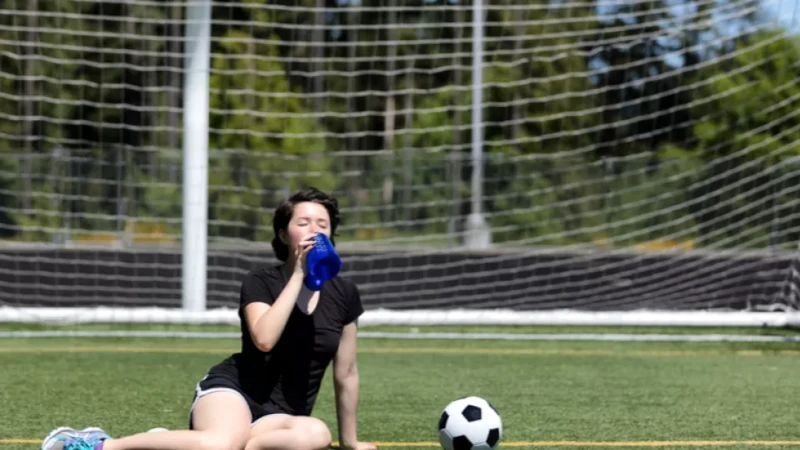
For Young Athletes, Drinking Water and Eating Healthy Is Key
An expert from CHLA’s Sports Medicine Program provides key advice to help ensure young athletes are properly hydrated and nourished for success.
From Children’s Hospital Los Angeles
Parents are often told about the importance of making sure their kids stay hydrated and eat a well-balanced and nutritious diet. For student athletes, that’s even more important.
Bianca Edison, MD, MS, FAAP, FAMSSM, Attending Physician in the Sports Medicine Program within the Jackie and Gene Autry Orthopedic Center at Children’s Hospital Los Angeles (CHLA), provides helpful information about the proper fuel for your young athletes.
Hydration
Drinking enough water is crucial to keeping young athletes healthy and at the top of their game. Proper hydration helps regulate the body’s temperature to perform at the optimal level.
“Don’t wait until athletes say they are thirsty to encourage hydration,” Dr. Edison says. “A dehydration level of 3-5% stimulates thirst, and feeling thirsty means your athlete is already behind the curve!” What’s more, dehydration of just 1-2% can lead to:
- Decreased athletic performance, such as worse throwing and shooting accuracy
- Decreased blood flow to muscles, which can lead to injury, such as muscle breakdown, strains, and tears
- Decreased quality of joint fluid, which can cause stiffness and increased friction of the joints, leading to pain
- Decreased alertness and reaction time, affecting academic performance and decision-making capacity on the court or field
- Increased risk of heat illness, including heat exhaustion/stroke, which has a risk of death
It’s important to not just focus on hydration during athletic activities, but to instead plan in advance. For optimal performance, athletes should hydrate all day long to keep their bodies and minds in peak condition. Keeping a filled water bottle nearby at all times is a helpful reminder to continually hydrate and show up with a full tank!
As a good rule of thumb, use the following age-based guidelines for your child’s hydration:
- 9-12-year-old kids should drink 2 liters of water per day (10 large cups of water)
- Add 3-8 ounces for every 20 minutes of exercising
- 13-18-year-old teens should drink 3 liters of water per day (14 large cups of water)
- Add 10-15 ounces for every 20 minutes of exercising
Water is the best source of hydration overall for athletes. “After 60-90 minutes of strenuous activity (breaking a sweat), it is recommended to transition to an electrolyte replacement drink that is low in sugar,” Dr. Edison explains. “Energy drinks are not recommended for youth athletes, as they contain a high concentration of caffeine that can be dangerous and even lethal to a young body.”
Nutrition
Ideally, a young athlete’s diet should consist of the proper components to fuel well and replenish energy stores:
- 55-60% carbohydrates
- This is fuel for sports performance! It helps maintain body weight, replenish glycogen stores for energy, and build and repair tissues.
- Stick with complex carbs like whole-grain breads, beans and vegetables, rather than simple sugars like high-fructose corn syrup or fruit juice concentrate.
- Add 5-10% additional carbohydrates for endurance athletes (such as runners or swimmers).
- 12-15% protein
- This is essential for growth and repair, though it is a poor source of fuel.
- Increase this percentage slightly for strength-trained athletes.
- Proper sources of protein include lean meats, fish, eggs, legumes, and beans.
- Vegetarian and vegan athletes need to ensure proper sources of protein to help them succeed and to limit the risk of iron deficiency.
- Too much protein (in concentrated shakes and powders) can stress the body, notably the kidneys.
- Less than 20-30% fat (and less than 10% saturated fat)
- Fat is an excellent fuel and is important to insulate the body and its organs. Ideal fats are also important for brain function and are necessary in the absorption of certain vitamins.
- Look for healthy fats in avocados, cheese, olive oil, seafood, fish, and nuts.
- Injuries are a calorically expensive process, so injured athletes actually need more calories and energy to heal and recover properly.
The best source of energy is natural food and a well-balanced diet. “Taking in too little energy and nutrition can lead to a condition called Relative Energy Deficiency in Sport (RED-S), which can increase one’s risk of injury, longer recovery times, bone stress injuries, and hormone dysfunction,” Dr. Edison says. Dietary supplements are not regulated for safety and therefore can contain harmful and illegal substances, risking your child’s health and eligibility for sports participation.
Take care and help keep your athletes in the game!
The post For Young Athletes, Drinking Water and Eating Healthy Is Key, written by Parker Danowski, first appeared in the CHLA Newsroom.