Dr. Marion Nestle, longtime NYU professor of nutrition, food studies, and public health, with additional faculty roles at UC San Francisco and Cornell, is best known for analyzing the intersections of food, politics, and health, often exposing how government policy, corporate lobbying, and food industry marketing shape what we eat.
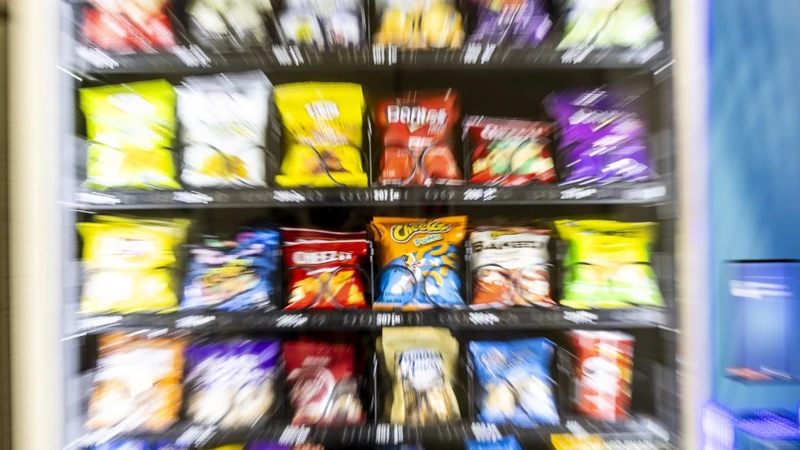
USDA school food rules allow plenty of ultra-processed snacks
A reader, Jennifer Windh, has done some serious investigation of loopholes in USDA’s school food rules that allow lots of ultra-processed snacks to be sold a la carte (“competitive foods”) outside of the USDA’s school meals program.
USDA’s nutrition tandards also apply to competitive foods: Smart Snacks in Schools.
The final rule for these standards, effective as of 2016, sets requirements or limits for whole grains, saturated and trans fat, sugar, sodium, and calories.
This sounds good, but as Jennifer Windh found out, even though snacks are required to be either 50% whole grain or have as a first ingredient fruit, vegetable, dairy product, or protein, the rules allow for plenty of loopholes.
She summarizes the findings of her investigation in The Smart Snacks Loophole: How Junk Food Companies Target America’s Students in School.
One reason for the loophole is the generous sugar standard: “Acceptable food items must have ≤35% of weight from total sugar as served.”
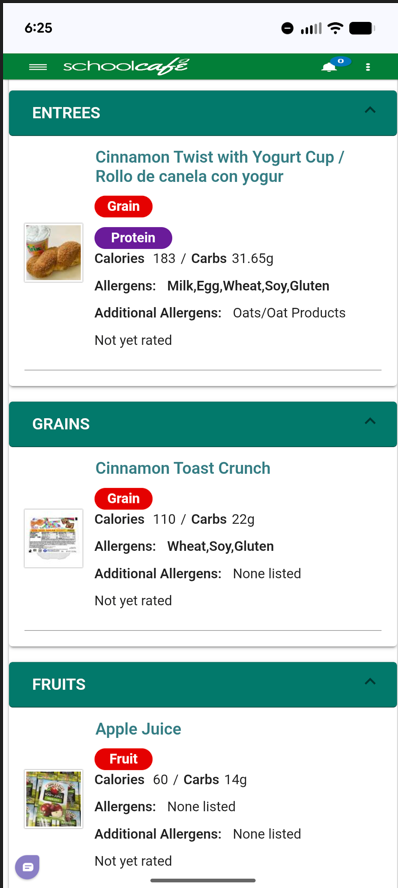
She points out the irony of Robert F. Kennedy, Jr’s visit to an elementary school where cooks make healthy meals from scratch (parents protested his visit because of his stance on vaccination, not food).
This school, she notes, offers plenty of loophole snacks.
She is particularly concerned about the loophole for ice cream. For this, she has analyzed sales in 12 Houston area school districts: Ice Cream at School.
Schools usually sell ice cream at the same time they serve the main meal. There is no adult present who encourages students to eat their lunch before eating dessert. As expected, most children eat their ice cream first! This spoils their appetite for the more nutritious foods on their tray. School lunch periods are short, children eat slowly, and there are many distractions as students socialize with their friends. As a result, some students eat their ice cream first and then throw the rest of their lunch away.
There is so much money to be made from school meals that sellers of ultra-processed foods are happy to reformulate their products to meet USDA nutrition standards and get their products in through the loopholes.
Obviously, the standards could use some tightening.
The big question: Will USDA tighten the loopholes when it issues new school food standards to reflect the new dietary guidelines? Recall: These emphasize eat real food and reduce intake of highly processed foods.
Stay tuned.
Feature Image: In the U.S., ultra-processed foods account for about 60% of daily calorie intake. Credit: Alex Dolce, Florida Atlantic University
The post USDA school food rules allow plenty of ultra-processed snacks appeared first on Food Politics by Marion Nestle.
Marion Nestle is Paulette Goddard Professor of Nutrition, Food Studies, and Public Health, Emerita, at New York University, which she chaired from 1988-2003 and from which she officially retired in September 2017. She is also Visiting Professor of Nutritional Sciences at Cornell. She earned a Ph.D. in molecular biology and an M.P.H. in public health nutrition from the University of California, Berkeley, and has been awarded honorary degrees from Transylvania University in Kentucky (2012) and from the City University of New York’s Macaulay Honors College (2016). In 2023, she was awarded The Edinburgh Medal (for science and society).