
How Fruits and Vegetables Support Mental Health Across the Lifespan
Written by: Dr. Jelena Gligorijević, Chief Medical Officer, The Foundation for Fresh Produce
Mental health is a foundational component of overall health. While genetics, environment, and social factors all play a role, growing evidence shows that lifestyle factors—especially dietary patterns—also meaningfully influence mental wellbeing. Diets rich in fruits, vegetables, and other whole foods are increasingly associated with lower rates of depression and anxiety across the lifespan.
Understanding Mental Health and Its Global Impact

Mental health shapes how people handle everyday stress, manage their responsibilities, and stay connected to others—and its impact reaches far beyond the individual to families, communities, and health systems.
The World Health Organization defines mental health as a state of mental wellbeing that enables people to cope with life’s stresses, realize their abilities, learn and work effectively, and contribute to their communities. Mental health is not simply the absence of mental illness; it is an essential part of overall health and socio-economic development.1
Mental health conditions include mental disorders, psychosocial disabilities, and other mental states marked by significant distress, impaired functioning, or increased risk of self-harm.1
Prevalence of Mental Health Conditions Worldwide and in the U.S.
In 2023, approximately 1 in 7 people worldwide, about 1.2 billion individuals, were living with a mental disorder, with anxiety and depression among the most common conditions.2 In the United States, mental health conditions are widespread, with 31.9% of adolescents and 22.8% of adults receiving mental health treatment in 2022.3
Mental Health, Brain Health, and Chronic Disease Risk
The United Nations General Assembly emphasizes that mental health and well-being are closely linked with brain health and neurological conditions. Mental and neurological conditions contribute significantly to the global burden of noncommunicable diseases, and individuals living with these conditions face higher risks of additional chronic diseases, morbidity, and mortality.4
Risk and Protective Factors for Mental Health

Mental health is influenced by many factors, some outside a person’s control, but research shows that everyday habits, including what we eat, can play an important role in supporting mental well-being.
Risk factors include abuse and violence, bullying, loss of a loved one, unemployment, genetic predisposition, substance use, unhealthy diets, chronic disease, climate change, conflict and displacement, limited access to services, and discrimination.1
Over the past decade, the potential protective effects of healthy lifestyles—particularly diet—on mental and brain health have become an important focus of research.
Diet Quality and Mental Health Outcomes

A growing body of research suggests that overall diet quality matters for mental health, with healthier eating patterns linked to better mood and emotional wellbeing.
Fruits, Vegetables, and Lower Risk of Depression and Anxiety
Studies consistently show that high-quality dietary patterns—such as the Mediterranean diet or diets rich in fruits, vegetables, and fish—are associated with lower anxiety and depression scores.5,6
A systematic review of 61 observational studies found that higher fruit and vegetable intake was linked to better mental health outcomes, including fewer depressive symptoms and improved well-being. Berries, citrus fruits, and leafy greens were associated with particularly strong benefits, such as greater optimism, self-efficacy, and lower psychological distress. Despite differences in study design, the consistent findings support recommendations of consuming at least five servings of fruits and vegetables daily for mental health benefits.7
Dietary Patterns Associated with Mental Well-Being
Dietary recommendations for depression prevention emphasize traditional eating patterns, including Mediterranean, Norwegian, and Japanese diets. These patterns promote higher intake of fruits, vegetables, legumes, whole grains, nuts, and seeds; increased omega‑3–rich foods; replacing processed foods with nutrient-dense alternatives; and limiting fast foods, baked goods, and sweets.8
In contrast, Western dietary patterns high in processed foods, refined carbohydrates, and pro-inflammatory ingredients are associated with a higher prevalence of anxiety and depression symptoms.6,9
How Diet Influences Mental Health: Key Biological Pathways

Diet supports mental health through several connected processes in the body, affecting inflammation, brain function, and communication between the gut and the brain.
Inflammation and Oxidative Stress
Western diets high in processed foods promote chronic low-grade inflammation and cytokine release. These inflammatory markers can cross the blood–brain barrier and contribute to depression and anxiety symptoms.6
Gut–Brain Axis and Neurotransmitter Function
Healthy dietary patterns may support mental health by reducing inflammation and oxidative stress, improving neurotransmitter function, and supporting a healthy gut microbiota. Fruits and vegetables provide vitamins, minerals, phytochemicals, and fiber that together support mood regulation and stress resilience.10,11
Evidence-Based Dietary Patterns That Support Mental Health

Certain eating patterns stand out for their mental health benefits, especially those that emphasize fruits, vegetables, and other nutrient-rich whole foods.
The Mediterranean Diet and Mental Health
The Mediterranean diet—characterized by high intake of fruits, vegetables, fiber, polyphenols, and olive oil—is associated with a lower risk of recurrent depression12 and improved mood and reduced anxiety in adults with major depressive disorder.13
The MIND Diet and Cognitive and Emotional Health
The Mediterranean-DASH Intervention for Neurodegenerative Delay (MIND) diet combines elements of the Mediterranean and DASH diets to support brain health. Emphasizing vegetables, fruits, whole grains, nuts, olive oil, fish, and seafood, the MIND diet has been shown to slow cognitive decline and reduce risk of neurodegenerative diseases, including Alzheimer’s disease.14,15
Lifespan Considerations: Mental Health in Children and Adolescents
Mental well-being is shaped early in life, and consistent access to balanced, nourishing foods may support emotional health during childhood and adolescence.
Studies show that children who consume regular, balanced meals, especially those that include more fruits and vegetables, have higher mental wellbeing scores than children who consume lower-quality diets or skip meals.16
Implications for Practice and Public Health
Taken together, this evidence highlights how nutrition, particularly increasing fruit and vegetable intake, can be an accessible way to support mental health while also reducing chronic disease risk.
Chronic noncommunicable diseases are important risk factors for mental health conditions, and diets rich in fruits and vegetables help prevent and manage cardiovascular disease, diabetes, obesity, and cancer. Integrating dietary guidance into mental health promotion offers a practical, preventive approach that supports both physical and mental well-being across the lifespan.
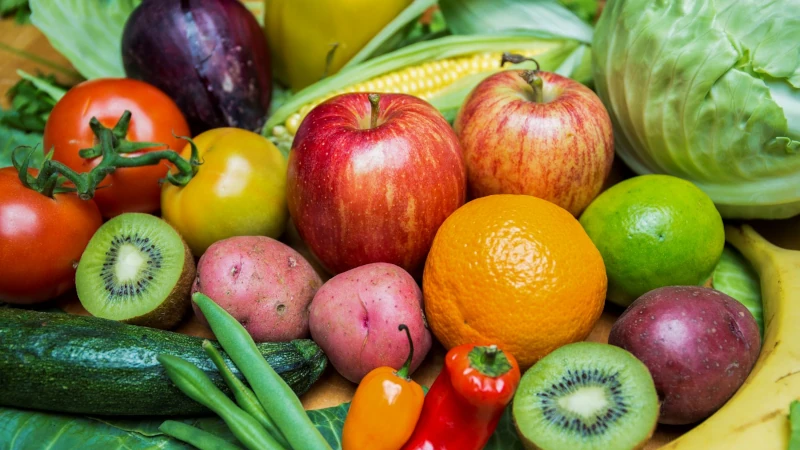
Feature Image: Credit: UF/IFAS
The post How Fruits and Vegetables Support Mental Health Across the Lifespan, written by Dr Jelena Gligorijević, first appeared in The Foundation for Fresh Produce’s Have A Plant® blog.
SOURCES:
- World Health Organization. World mental health report: transforming mental health for all. Geneva: World Health Organization; 2022. Available from: https://www.who.int/publications/i/item/9789240049338
- Institute for Health Metrics and Evaluation (IHME). Global Burden of Disease 2023: Findings from the GBD 2023 Study. Seattle, WA: IHME, 2025.
- Substance Abuse and Mental Health Services Administration. Key substance use and mental health indicators in the United States: results from the 2023 National Survey on Drug Use and Health. HHS Publ No. PEP24-07-021, NSDUH Ser H-59. Rockville (MD): Center for Behavioral Health Statistics and Quality, Substance Abuse and Mental Health Services Administration; 2024.
- United Nations. Rev.4: Political declaration of the fourth high-level meeting of the General Assembly on the prevention and control of noncommunicable diseases and the promotion of mental health and well-being: Equity and integration: transforming lives and livelihoods through leadership and action on noncommunicable diseases and the promotion of mental health and well-being [Internet]. New York: United Nations; 2025 [cited 2025 Oct 12]. Available from: https://www.un.org/pga/wp-content/uploads/sites/109/2025/09/Finalized-PD-on-NCDs-and-Mental-Health-REV4-3-September-2025.pdf
- Molendijk M, Molero P, Ortuño Sánchez-Pedreño F, Van der Does W, Martínez-González MA. Diet quality and depression risk: a systematic review and dose-response meta-analysis of prospective studies. J Affect Disord. 2018 Jan 15;226:346-54.
- Houminer-Klepar N, Dopelt K. Associations between Mediterranean diet, processed food consumption, and symptoms of anxiety and depression: cross-sectional study among Israeli adults. Foods. 2025 Apr 24;14(9):1485.
- Głąbska D, Guzek D, Groele B, Gutkowska K. Fruit and vegetable intake and mental health in adults: a systematic review. Nutrients. 2020 Jan 1;12(1):115.
- Opie RS, Itsiopoulos C, Parletta N, Sanchez-Villegas A, Akbaraly TN, Ruusunen A, Jacka FN. Dietary recommendations for the prevention of depression. Nutr Neurosci. 2017 Apr;20(3):161-71.
- Zhang H, Li M, Mo L, Luo J, Shen Q, Quan W. Association between Western dietary patterns, typical food groups, and behavioral health disorders: an updated systematic review and meta-analysis of observational studies. Nutrients. 2023 Dec 29;16(1):125.
- Lassale C, Batty GD, Baghdadli A, Jacka F, Sánchez-Villegas A, Kivimäki M, Akbaraly T. Healthy dietary indices and risk of depressive outcomes: a systematic review and meta-analysis of observational studies. Mol Psychiatry. 2019;24:965-86.
- Sureda A, Bibiloni MDM, Julibert A, Bouzas C, Argelich E, Llompart I, Tur JA. Adherence to the Mediterranean diet and inflammatory markers. Nutrients. 2018;10:62.
- Sánchez-Villegas A, Cabrera-Suárez B, Molero P, González-Pinto A, Chiclana-Actis C, Cabrera C, Lahortiga-Ramos F, Florido-Rodríguez M, Vega-Pérez P, Vega-Pérez R, Pla J, Calviño-Cabada MJ, Ortuño F, Navarro S, Almeida Y, Hernández-Fleta JL. Preventing the recurrence of depression with a Mediterranean diet supplemented with extra-virgin olive oil. The PREDI-DEP trial: study protocol. BMC Psychiatry. 2019 Feb 11;19(1):63.
- Parletta N, Zarnowiecki D, Cho J, Wilson A, Bogomolova S, Villani A, et al. A Mediterranean-style dietary intervention supplemented with fish oil improves diet quality and mental health in people with depression: a randomized controlled trial (HELFIMED). Nutr Neurosci. 2019;22:474-87.
- Morris MC, Tangney CC, Wang Y, Sacks FM, Barnes LL, Bennett DA, et al. MIND diet slows cognitive decline with aging. Alzheimers Dement. 2015;11:1015-22.
- Dutta R. Role of MIND diet in preventing dementia and Alzheimer’s disease. ARC J Neurosci. 2019;4:1–8.
- Hayhoe R, Rechel B, Clark AB, Gummerson C, Smith SJL, Welch AA. Cross-sectional associations of schoolchildren’s fruit and vegetable consumption, and meal choices, with their mental well-being: a cross-sectional study. BMJ Nutr Prev Health. 2021 Sep 27;4(2):447-62.