WELCOME TO THE SHOW!
We’re most often out in a field with our noses in the dirt. But you’ll also find us in lab coats and restaurants and packinghouses, Congressional and State offices, college and industry research facilities – anywhere there’s a story to be told about food and farming.
FEATURED EPISODE
Beans Ahoy!
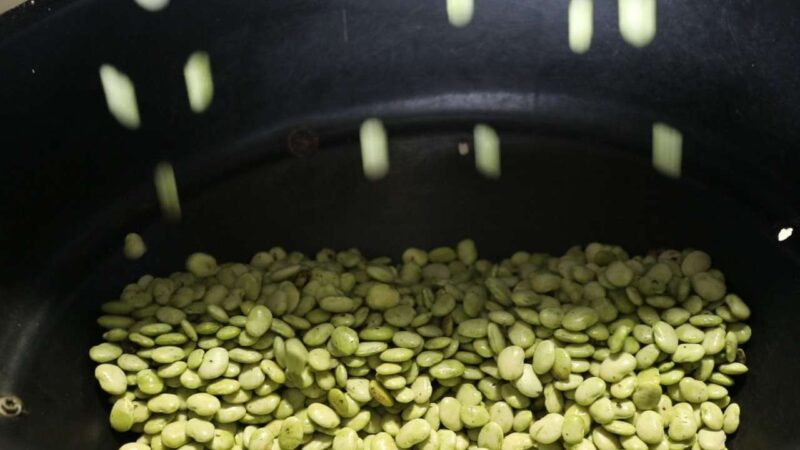
Everything old is new again. South Carolina's Josh Johnson grows classic favorites like purple hull peas and speckled butter beans at his Old Tyme Bean Co. But it's how he farms as much as what he farms that makes him special.
Johnson is part of a new wave in farming called regenerative agriculture. Rather than rely on a guidebook to say when it's time to spray or prune or anything else, you rely on common sense. A mixture of molasses and simple elements like boron keep the pests away — Johnson hasn't had to use pesticide on a crop in four years now.
The gist of regenerative farming is simple — these folks do things the way their great, great grandaddies did. Everything old is new again.
Watch full episodes of Where The Food Comes From on demand on our YouTube Channel, or catch us on the RFD-TV Network —check local listings— and on demand on RFD-TV Now and Cowboy Channel+!
Watch full episodes of Where The Food Comes From on demand on our YouTube Channel, or catch us on the RFD-TV Network —check local listings— and on demand on RFD-TV Now and Cowboy Channel+!
SEASON 2
In Season 1, you met some of the people of farming and saw what they do up close and personal. There’s plenty more of that in Season 2 (including a look at how we’re likely to grow food on Mars, with 50-foot tomato vines hanging from the ceiling) but we also expand our reach to focus more on the heart of farming, the ways the amazing people who feed us give back to their own communities. That might mean working with organizations like Feeding America and gleaners like the Society of St. Andrew (who actually harvest leftover food from commercial fields) or efforts they spearhead themselves, from volunteering for the local fire department to starting support groups to actually stocking a fleet of buses to deliver fresh produce on a pay-what-you-can model to food deserts. We also take a look back at our roots, with a special two-part episode “Where The Food CAME From” where our host spends a day working as a farmer in 1870. You get an ag trade show, where people who grow food by the ton meet up with people who buy it by the ton.